
Objective
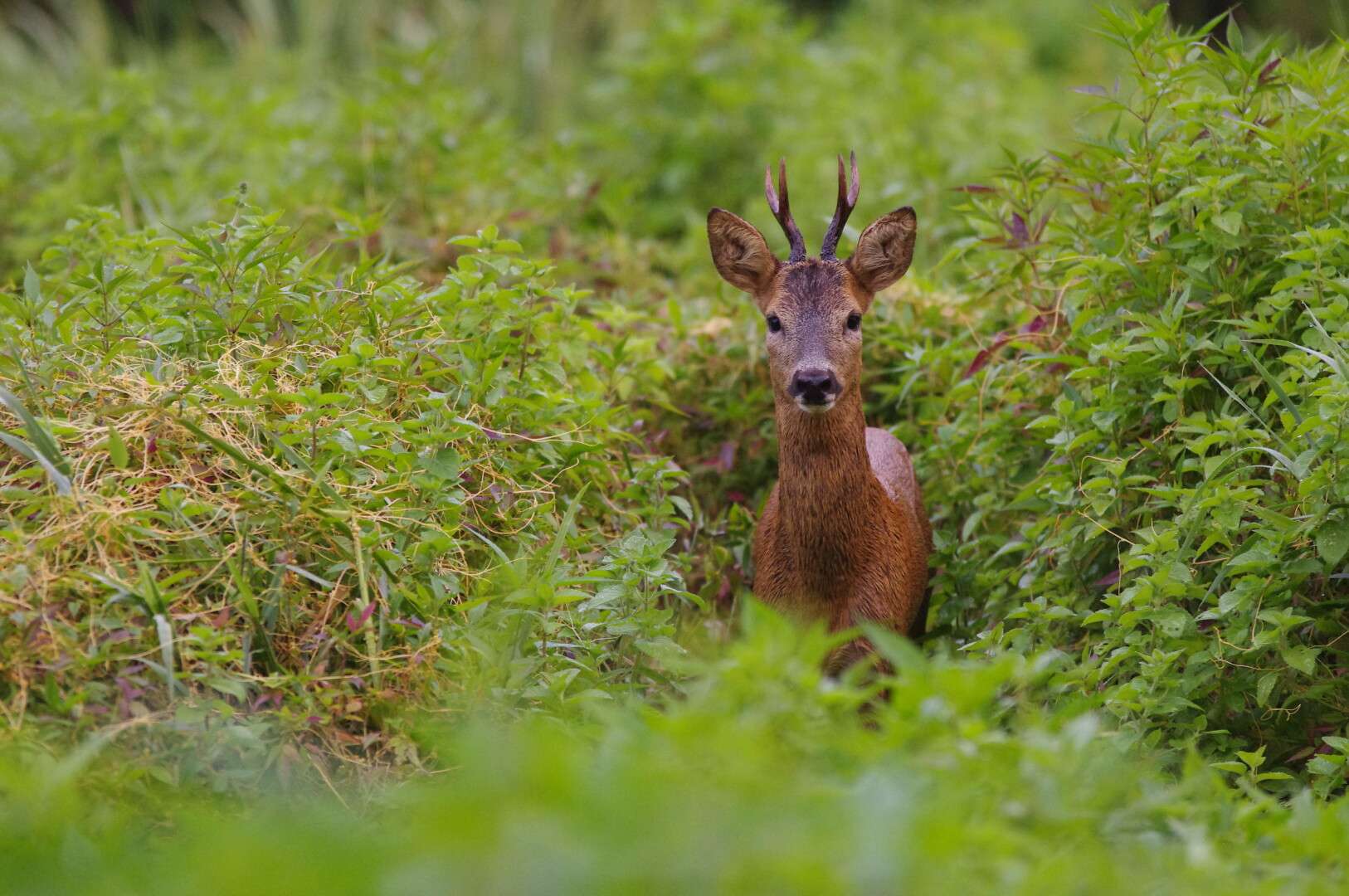
Adapting forests to climate change, diversifying tree species, and making greater use of natural regeneration are all priorities for today's foresters, but these challenges become very difficult to overcome in the presence of an excessive number of ungulates. Through the damage they cause (rubbing, browsing, bark stripping, acorn consumption...), they can jeopardise, both quantitatively and qualitatively, the success of a plantation/regeneration and cause significant economic losses.
In this training, we will first look at how to assess the intensity of game damage to plantations and regenerations using the Brossier-Pallu method. Pierre Brossier, the initiator of the method, will lead the workshop in person. As establishing constructive dialogue between hunters and foresters is a prerequisite for resolving the current situation of imbalance, we will also look at how to reduce ungulate pressure by using both hunting levers (reducing densities) and forestry levers (improving carrying capacity).
The day will take place on a property transitioning from spruce monoculture to a mosaic forest. We will visit the various installations set up (tracking hides, fences, individual protection, game attracting areas...) and discuss changes in hunting practices and the results of the new policy.
Speakers
- Pierre Brossier, The National Centre for Private Foundations, CNPF
- Renaud Schoutede, private gamekeeper and forester of the estate
- Nicolas Dassonville, RFSB
Program
| 9:00 AM | Welcome and introduction in the hall |
| 9:30 AM | Plot visits (fencing, individual protections, stalking stand, assessment of damage in natural regeneration |
| 12:30 AM | Picnic (bring your own) |
| 1:30 PM | Visits to plots (grass and browse forage, assessment of damage to young planting, renewal prospects) and explanations of hunting methods |
| 17h00 | End of the day |